
Well Drilling & Installation
Idaho City, ID
Idaho City Well Installation

Well Installation Process – Idaho City, ID
#1 Drill a Borehole:
A borehole is dug using a drilling rig that penetrates the ground to reach an underground water source or aquifer. The drilling process creates a narrow, deep hole. Boreholes are dug to provide access to clean groundwater for drinking, irrigation, or industrial use, especially in areas lacking reliable access to surface water sources or municipal systems. The process ensures a long-term, sustainable water supply.
#2 Install Casing & Screening:
A well casing is a durable pipe placed inside a borehole during well construction to support the borehole walls and prevent contamination of the water source. It runs from the surface down to the aquifer, providing a secure, enclosed space for water extraction.
A well screen, attached at the bottom of the casing where water is drawn, acts as a filter. It allows water to enter the well while blocking out sand, sediment, and other particles, helping to maintain water quality and protect the pump from damage.
#3 Install Artificial Filter Pack:
An artificial filter pack is necessary when the surrounding soil or geological formation contains fine particles like sand, silt, or clay that could enter the well and compromise water quality. It’s also used when the natural formation around the well screen isn’t porous enough to allow adequate water flow. The filter pack, made of graded sand or gravel, enhances filtration and stabilizes the well structure, ensuring cleaner water and preventing clogging of the well screen and pump.
#4 Grout the Well:
Grouting the well involves sealing the space between the well casing and the borehole walls with materials like cement or bentonite clay. This seal prevents surface water, contaminants, and debris from entering the well and protects the groundwater supply. Grouting also helps stabilize the well structure and prevents the migration of water between different underground layers, ensuring a safe and efficient water extraction process.
#5 Install Pump:
When constructing a new well, a pump might be required to bring water to the surface. This involves choosing a suitable pump type based on the well’s depth and water requirements. The pump is integrated with the well’s plumbing, tested for correct flow and pressure, and connected to a power source, whether electric or manual. Proper installation ensures efficient water extraction and is key to the well’s performance and longevity.
Questions?
Call us today at 208-466-6439 for any questions regarding well construction, pump installation and any maintenance needs.
Contact us to discuss your new well and new pump systems today!
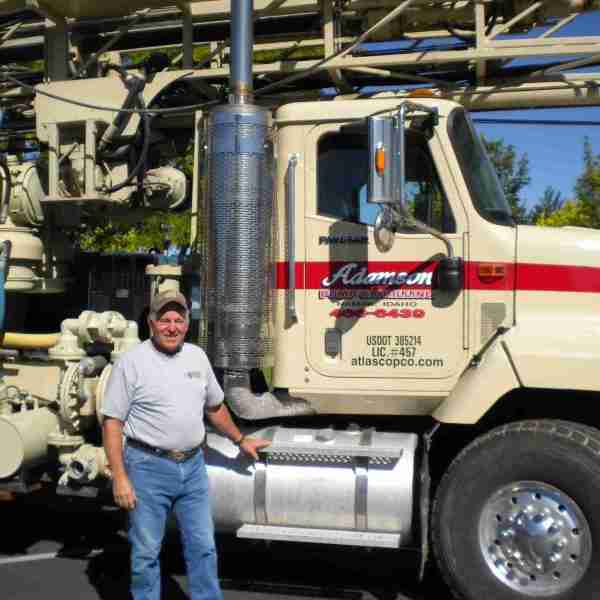
Well Drilling Contractor
Well Installation FAQ’s
Q: How do I know if I need a new well?
A: A new well is typically needed for new construction, if your current well is dry, or if you’re looking for a more reliable water source.
Q: How long does it take to install a well?
A: Installation can take 1-3 days, depending on depth, soil conditions, and weather.
Q: What type of pump is best for my well?
A: The choice depends on the well’s depth and water needs—submersible pumps are usually better for deeper wells, while jet pumps suit shallow ones.
Q: How deep should my well be?
A: The depth varies based on local groundwater levels and the geology of the area.
Q: Is a permit required to drill a well?
A: Most areas require permits; a professional well drilling company can help with this process.
Q: How often should a new well be tested for water quality?
A: New wells should be tested immediately after installation and then annually to ensure safe drinking water.
Q: What maintenance is required for a new well?
A: Regular inspections of the pump system, water quality testing, and keeping the well area clear of contamination are key to maintaining a well.
We carry high quality products including Franklin Electric and Grundfos pumps, and Water-right ® water treatment systems.